
The Secret Generosity That Changes Us

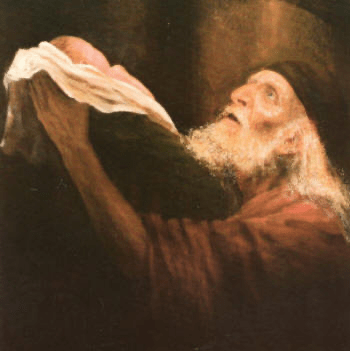
What motivates the way you live? That may sound like a philosophical question, but according to Jesus, it’s a deeply spiritual one. In Matthew 6:1–4, He warns His followers not just about what they do, but why they do it: “Watch out! Don’t do your good deeds publicly, to be admired by others, for you will lose the reward from your Father in heaven.” That warning strikes at one of the most subtle temptations of our time—the temptation to live for applause.

We are surrounded by a culture built on visibility, recognition, and public image. Whether it’s our careers, our families, or even our spiritual lives, there is a pull in every human heart to be seen, approved of, and admired. The danger is not that we do good things, but that we do them for the wrong audience. Jesus isn’t challenging the act of generosity. He assumes His followers will give, serve, and love. But He exposes a deeper issue: motives matter.

Modern psychology identifies two major types of motivation: extrinsic and intrinsic. Extrinsic motivation is driven by outside rewards—money, applause, status, praise. Intrinsic motivation is rooted in inner conviction, calling, joy, and alignment with personal values. Jesus speaks directly to this when He asks us to consider whether we are living for the world’s attention or for the approval of “our Father who sees in secret.”

In His day, charitable giving was often done in public settings. Offering boxes were placed in visible locations, and some people treated giving as a performance. Jesus calls them “hypocrites”—a word originally used for stage actors. The problem wasn’t that they were doing good; it was that they turned righteousness into a spotlight moment. “They have received all the reward they will ever get,” Jesus says. In other words, applause may feel good, but it doesn’t last.

Then Jesus gives a radically different vision: “When you give to someone in need, don’t let your left hand know what your right hand is doing.” The point is not secrecy for secrecy’s sake. The point is this: hidden obedience purifies the heart. When you give in secret, serve in secret, pray in secret, and love without an audience, you learn to live for God alone. You trade temporary applause for eternal reward. You stop performing and start worshiping.

So what does this mean for you and where you live? It means that the quiet, unseen things you do matter to God. Buying groceries for a struggling family without signing your name. Leaving a gift card in a mailbox. Paying a utility bill without acknowledgment. Serving at church in a way no one notices but God. These things are not small. They are the spiritual training ground where generosity stops being a show and starts becoming a lifestyle.

Secret generosity is not about hiding the gift—it’s about revealing the heart. And according to Jesus, the Father “who sees everything” will reward you. Not with trophies, titles, or social credit, but with something better: peace, joy, intimacy with God, and a life free from the exhausting pressure of impressing people.

So the question is not just “Are you doing good?” The deeper question is “Who are you doing it for?” If the answer is the crowd, the applause will fade. If the answer is your Father in heaven, the impact will last forever.

Maybe the most countercultural thing you can do this week is something completely unnoticed—except by God.

Your Battle Cry: Don’t Let the Word of God Stay Silent

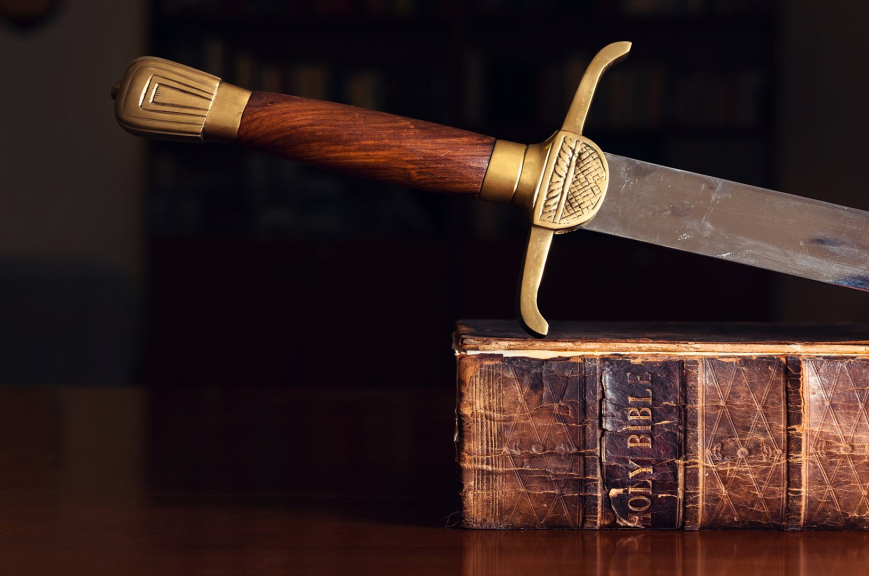
In 1940, France was better equipped than Nazi Germany in nearly every way. More tanks. Better fortifications. Greater supplies. But none of it mattered—because when the battle came, they stayed silent. Their tanks sat unused, their defenses unmanned. In just six weeks, France fell.Church, we’re in a spiritual battle. And we’ve been given the most powerful weapon in the universe—not a tank or a wall, but something sharper: the Word of God. But too often, we keep it quiet. We read it in private. We highlight it. We post verses. But we don’t draw it. We don’t speak it. And just like those unused weapons in France, our silence can cost us.

The Sword You’ve Been Given

Paul says in Ephesians 6:17:

“Take the helmet of salvation and the sword of the Spirit—which is the word of God.” (CSB)

This “sword” is not symbolic fluff. It’s a real, Spirit-empowered weapon. And here’s something powerful: the word Paul uses for “word” isn’t the usual logos (which means the full message of God). It’s rhema—a spoken word. A battle cry. A moment-specific, Spirit-prompted declaration of truth. This isn’t just knowing the Bible. It’s speaking it aloud into temptation, fear, doubt, or pain.

Rhema Is Your Battle Cry

Think of Jesus in the wilderness. When Satan tempted Him, Jesus didn’t whisper positive thoughts or keep quiet. He said:

“It is written…”“It is written…”“It is written…”

Three spoken Scriptures. Three strikes with the sword. The enemy fled .Jesus wasn’t quoting verses for show—He was wielding them like a weapon. So what does this look like in your life?


1. Prayer that Speaks Scripture

Silent prayer has its place. But the early church—and Jesus Himself—prayed out loud often. Speaking Scripture in prayer is like drawing your sword in battle.

When a mom whispers Psalm 23 over her child or a couple walks through their new home, declaring Psalm 127 – the Sword is drawn. When a friend prays Psalm 34:18 over someone who’s grieving – that spoken prayer invites power into the atmosphere. When your voice aligns with God’s Word, strongholds start to shake.


2. Evangelism That Declares Hope

Sharing Jesus isn’t just about living kindly—it’s about speaking boldly.

“Faith comes from hearing, and hearing through the word (rhema) of Christ.” – Romans 10:17

When you speak Scripture to someone in need—whether it’s a coworker, neighbor, or friend—you’re placing the sword gently into their hands. You’re giving them something eternal. Even a single verse, spoken with love, can pierce the darkness and shine light.


3. Truth That Fights Temptation

Silence lets temptation fester. But a spoken verse strikes back.

When lust whispers, you proclaim: “I have hidden Your word in my heart that I might not sin against You.” – Psalm 119:11. When fear grips you, you say: “God has not given me a spirit of fear, but of power…” – 2 Timothy 1:7. When discouragement hits, you announce: “He who began a good work in you will carry it to completion…” – Philippians 1:6.

You don’t need to outwit temptation—you need to speak against it.


4. Hope That Speaks Into Pain

Some of the fiercest battles happen in heartbreak. And sometimes, people can’t even pray. That’s when your words—God’s words—can lift them. When you speak Psalm 34:18 over someone who’s grieving, it’s not cheesy—it’s warfare. God’s Word is a sword for comfort as much as one for combat.

“I am the resurrection and the life…” – Jesus to Martha in John 11

In moments of deep loss, Jesus spoke hope. So should we.


5. Worship That Declares Victory

“Let the word of Christ dwell in you richly… singing psalms and hymns…” – Colossians 3:16

Worship isn’t filler. It’s warfare. Before Jesus went to the cross, He sang a hymn (Matthew 26:30). Before battles in the Old Testament, worship leaders led the charge (2 Chronicles 20). When you sing truth, you swing your sword in the Spirit.

Whether in church or in your car, let your voice become your battle cry! 


Don’t Let Your Sword Rust

Imagine a soldier returning from war, hanging his sword on the wall. Years later, when danger comes, he reaches for it—only to find it rusted and dull. That’s what happens when we admire the Bible but never use it.

You can’t fight a spiritual battle with a Bible you never open or a verse you never speak.

Don’t let your sword gather dust.

Don’t keep your faith silent. Don’t internalize your battles. Let the Word of God become your battle cry. 

The Word of God is not just ink on a page; it’s the voice of God in your mouth.

Draw it. Speak it. Declare it. 

The Helmet of Salvation: More Than a Metaphor

When I was a kid, we lived outside. We rode bikes, jumped ramps, and crashed into each other for fun. Helmets? Not a chance. Back then, I thought helmets were for people who didn’t know how to ride.

Fast forward a few years. One of my childhood friends grew up, bought a Harley, and still hated helmets. But he promised his mom he’d wear one.

One early morning, cruising through the countryside at 55 mph, the sun rising and fog lifting off the cornfields, it happened. Out of nowhere, a deer leapt straight into him. The bike slid out from under him, and he tumbled over and over into oncoming traffic, stopping just short of a car.

Adrenaline pumping, he jumped up, looked at the driver, and shouted, “Did you see that? I was attacked by a deer!”

When he took off his helmet, it was cracked and totaled. The bike was totaled too. But he walked away with just a few bruises. Today, as a husband and father, he still thanks God for that helmet.

That helmet wasn’t just a promise kept—it was the difference between life and death.

The Helmet Protects What Controls Everything Else

Whether it’s a bike, skateboard, or football field, a helmet protects the part of you that controls everything else—your head. That’s exactly what Paul is getting at when he says in Ephesians 6:17:

“Take the helmet of salvation.” (Ephesians 6:17, CSB)

Notice the word take. Earlier in the passage, Paul says to put on the belt, breastplate, and shoes. Putting on is about a continual lifestyle. But taking up is different. It’s about moment-to-moment readiness, especially in battle.

Think about how you check your essentials before you leave the house: phone, wallet, keys. You don’t wear them—you take them. Paul’s saying, “Don’t step into the world without your spiritual essentials.”

The Battle for Your Mind Is Real

Roman helmets protected the head because a soldier couldn’t survive without it. Spiritually, the “helmet of salvation” protects your mind—the place where your thoughts, beliefs, and hopes dwell.

Why does that matter? Because what you think shapes what you believe. What you believe shapes how you live. And your enemy knows that if he can win the battle in your mind, he can influence everything else.

That’s why Paul urges us to take salvation with us into every thought and every situation. Salvation isn’t just a past decision or a future destination. It’s a present defense. It’s not only about being saved; it’s about living saved.

How to Guard Your Mind Daily

  1. Curate What You Consume
    What you feed your mind shapes how you think. Social media, Netflix, music—it all forms patterns in your brain. Choose content that strengthens your faith and points you to hope.
  2. Talk Back to Toxic Thoughts
    Not every thought deserves your agreement. Catch the lies (“I’m a failure. God’s not with me.”) and replace them with truth (“I am a child of God. The Lord will never leave me.”).
  3. Rehearse Gospel Truths
    Put God’s promises on repeat. Write verses on sticky notes, set phone reminders, or memorize Scripture with friends. A renewed mind doesn’t just know the truth—it rehearses it until it becomes reflex.
  4. Practice Stillness
    A racing life fuels a racing mind. Build moments of Sabbath-level stillness into your week. Sit in quiet prayer, journal, or meditate on one verse.
  5. Redirect Comparison into Celebration
    When you catch yourself comparing your life to someone else’s, thank God for what He’s doing in theirs—and then list one thing He’s doing in yours.
  6. Surround Yourself with the Right People
    Who you talk to shapes how you think. Join a small group, create a prayer thread, or regularly connect with people who speak faith and truth into your life.

Salvation Is a Gift You Take With You

The battle of the Christian life isn’t just “out there.” It’s in our minds. That’s why Paul says, “Take the helmet of salvation.” Salvation isn’t something you earn or make—it’s something you receive.

When Jesus went to the cross, He didn’t wear a helmet of glory. He wore a crown of thorns. Why? So you could take the helmet of salvation and live with a mind set free from guilt, fear, and lies.

Don’t leave your house without it. Consciously, intentionally, take salvation with you every day. It’s not just about going to heaven someday. It’s about being guarded right now.

You’re not just saved—you’re secure. You’re not just forgiven—you’re protected. You’re not just rescued—you’re being renewed.

So here’s the question: Are you living like someone who belongs to Jesus?

Because when you put on that helmet, you don’t fight for victory—you fight from victory.

Finding Jesus in Everyday Moments

When I was younger, I was fascinated by space. I remember scanning the school course listings and hoping—every year—that an astronomy class might finally be offered. It never was. But that didn’t stop me from wondering.

Years later, I found myself standing under a clear, star-filled sky on a summer night. No city lights. No telescope. Just the vastness of it all. It left me in awe. I remember thinking, “God, You made all of this. And yet… You see me too?”

There’s something about moments like that—when we feel small but somehow seen. Maybe that’s why Easter hits differently. It reminds us that the God who hung the stars also walked dusty roads. He felt hunger, heartbreak, rejection. And He went all the way to the cross… for us.

This is a first century ancient tomb with the stone rolled aside in Israel. This is similar to the type Jesus would have been buried in .

But that’s not the end of the story.

In Matthew 28, we find two women—Mary Magdalene and “the other Mary”—heading to the tomb. They’re not expecting a miracle. They’re going to mourn. But then, a violent earthquake shakes the ground, an angel rolls back the stone, and says words that would change everything:
“He is not here; He has risen, just as He said.”

Can you imagine their shock? Their joy? Their confusion?

Then suddenly—Jesus meets them. Right there on the road. “Greetings,” He says. Simple. Personal. Not thundering from the heavens, but close enough to touch.

That same day, two of His followers are walking to Emmaus – heads down and hearts heavy. A stranger joins them—walks beside them, listens to their sadness, and begins to teach. It’s only later, while breaking bread, that their eyes are opened.
It was Jesus all along.

They just hadn’t recognized Him.

How often does that happen to us?

We’re grieving, busy, doubting, distracted… and we miss Him. But Easter reminds us:
Jesus is closer than you may realize.

He comes in the ordinary. He meets us on the road, in our questions, in our quiet places of pain. He speaks our name, just like He did to Mary. He walks alongside us, just like He did on the road to Emmaus.

Maybe this Easter, you’re not feeling especially “spiritual.” Maybe life feels heavy, uncertain, or just plain full. But here’s the good news: You don’t have to reach up to heaven to find Jesus. He’s already near.
In your questions. In your wonder. In your hurt. In your hope.

He draws near not only in the miraculous but in the mundane. In the breaking of bread. In the kindness of a friend. In the quiet moments when your soul whispers, “Could it be Him?”
The empty tomb isn’t just about what happened long ago. It’s about what’s true right now.
Jesus is alive. And He is closer than you may realize.

The Gospel & the Wild Boars

On June 23, the Wild Boars set out on an adventure that captured the heart of the world. The Wild Boars are a boy’s soccer team from the Chiang Rai province of northern Thailand. As part of their training regiment and a “right of passage,” the 12 players and their assistant coach would take a 45-minute bike ride to explore the popular Tham Luang cave. This particular outing turned into an 18-day odyssey that involved prime ministers, national militaries, world-class engineers, and the Silicon Valley tech-titan, Elon Musk.

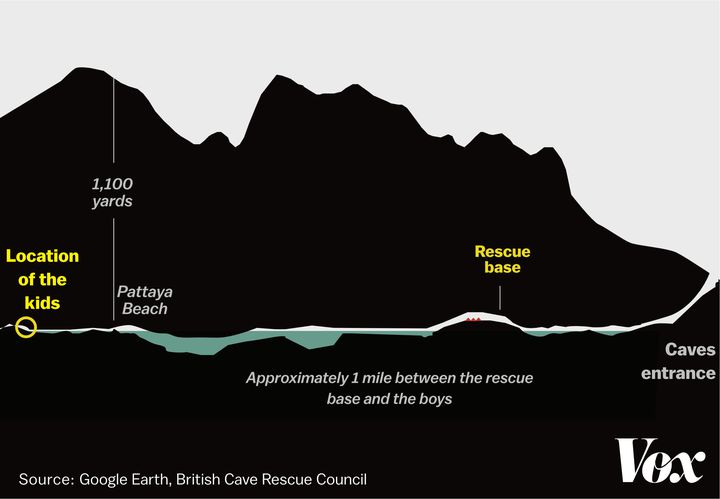
Shortly after the Wild Boars made their way into the caves it began to rain. As the water continued to fall from the skies, the ocean level began to rise. The team fled deeper into the cave, away from the flood, and soon found themselves 2.5 miles inland and nearly one half-mile underground.

profile.jpg

The 12 players and their assistant coach spent 10 days in the cold, damp, dark caverns when a highly trained team of divers found them. The divers reported that the team had resolved themselves to drinking water from the cave walls for survival. With the threat of monsoons, depletion of oxygen, and declining health, the options for extraction ranged from “waiting it out” for four months to a building a child-sized submarine.

The urgency of this situation bridged the gap between polarizing democracies in Thailand and united a nation. They gained the support of the world and the prayers of many faithful followers of Jesus.

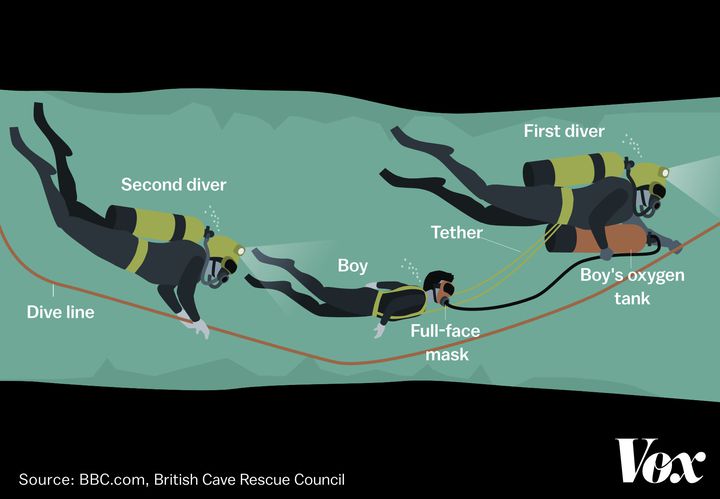
It was decided on July 8 that a team of divers would make their way back into the caves to rescue the boys. The journey would not be easy. It would include a 1-mile climb over slippery rock, wading through dark waters, and making one’s way through a 15-inch wide “pinch point” to find freedom. The estimated dive time was between 3-5 hours one way. Did I mention that most of these boys didn’t even know how to swim?

THAI_CAVES_scuba.jpg

DhlqZqVW0AAWdJ_.jpg
Saman Gunan

In the days leading to this valiant effort, a retired Thai Navy Seal, Saman Gunan, gave his life for the twelve boys and their coach. Saman ran out of air and lost consciousness as he was returning from a mission to deliver oxygen tanks to the team. Saman had volunteered his time and expertise to ensure the safety and return of these young men.

This tragedy is much like the Gospel in so many ways. We often times find ourselves deep in the midst of lostness. The world is dark. It is cold. It can be hard to breathe. The fear of the unknown only weakens our resolve and doubt casts shadows on the smallest glint of light. This is what it is like to live in the Upside Down.

Saman Gunan reminded the world of what real sacrifice looks like. It isn’t simply giving money or volunteering at a food kitchen. Those things are good and noble expressions of love. But Jesus said, “There is no greater love than to lay down one’s life for one’s friends,” (John 15.13-NLT). That is exactly what Jesus did. He died for all of us. He died so our sins would be forgiven. He died so that we may experience a new life. He died so that we would have the promise of eternity in heaven with Him and His Father.

Followers of Jesus Christ have the responsibility of being light bearers in the darkness of this Upside Down world. We are called to share hope to the hopeless. Give encouragement to the discouraged. Love the lost and find joy in the midst of our challenges. It is not an easy assignment. But it is the one laid out before us. We must step into each day fully dependent on God and know that our lives are in His hands.